How Often Do I Need My Brake Fluid Changed?
Between all of the other maintenance items to keep track of, less thought-about services like brake fluid flushes can be pushed to the back burner. Despite this, brake fluid is one of the most important fluids and maintenance items on your vehicle, especially for safety.
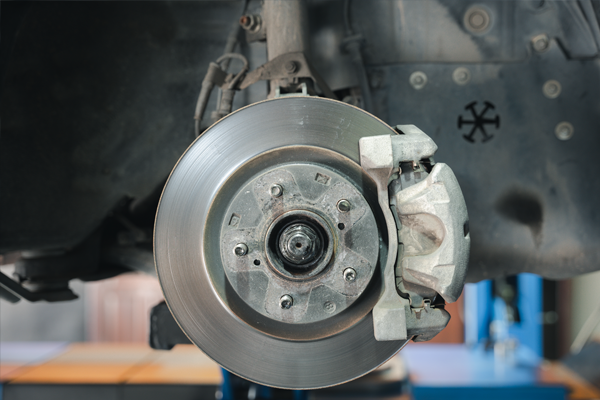
While it’s understandable that most people focus on the life of their rotors and pads, the fluid plays just as large a role in stopping your vehicle and needs to be treated with that importance during servicing. In this article, we’ll go over the role of brake fluid in your system, the symptoms of old brake fluid, the cost of a flush, and how frequently you should have yours changed.
What is Brake Fluid?
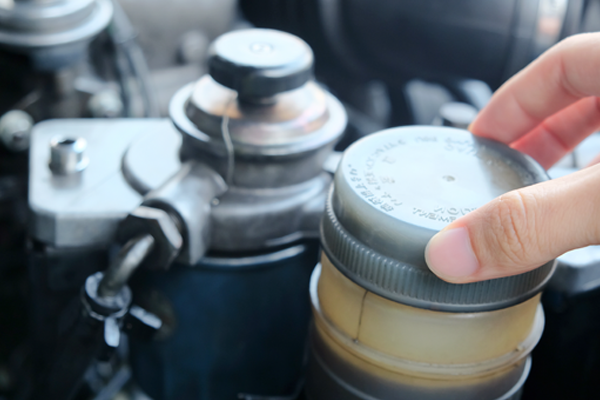
Like power steering fluid, brake fluid is hydraulic, meaning it’s used to amplify and transfer force from one point to another. In this case, it’s the brake pedal shifting and amplifying force to the pads that are pushed against the rotors to create friction.
Over time, brake fluid can encounter several issues that can reduce its effectiveness. The largest issue with brake fluid is that it’s hygroscopic, meaning it absorbs moisture from its surroundings. This becomes an issue when moisture builds up inside the brake lines and corrodes the sensitive components and lines it runs through.
Water in your fluid is also an issue for its boiling point. Brake fluid naturally has a higher boiling point than it will ever reach in normal conditions. When it’s diluted with moisture, the water can begin to boil at lower temperatures, leading to bubbles and air pockets within your fluid. As fluid becomes aerated, it won’t retain its hydraulic properties, which can affect your ability to brake. If your brake pedal feels “spongy”, it could be due to aeration in your brake fluid.
Brake fluid may also leak from faulty lines or seals, depriving your brakes of the fluid they need to stop your vehicle safely. If you see visible leakage on your master cylinder or brake lines, you should have your system inspected as soon as possible before the issue worsens.
Symptoms of Bad Brake Fluid
The effects of old or contaminated brake fluid show themselves in several ways, but here are some symptoms you should keep an eye out for that may be warning you of the problem.
- Soft or spongy brake pedal
- The brake pedal sinks to the floor.
- Leaks around the lines and the master cylinder
- Unusual noises and smells when braking.
- Decreased braking performance
- Illuminated brake warning light on the dashboard
What Does a Brake Fluid Flush Cost?
Brake fluid flushes are best completed during regular brake jobs, as it can be cheaper to roll it in with services like pad and rotor replacements. However, as a standalone service, you can expect to pay anywhere between $100 to $200.
The price of your flush depends on many factors, including the vehicle itself, fluid capacity, and the type of fluid needed.
How Often Should I Have My Brake Fluid Changed?
In general, brake fluid flushes should be carried out every 2-3 years. The best source of information on brake fluid intervals, though, is the manufacturer themselves. Checking your owner’s manual, a trusted online source, or calling the dealer directly will give you an accurate picture of the proper interval.
That isn’t to say you should always wait for the maximum amount of time, either. If you’re experiencing any of the above symptoms, it’s worth inspecting your fluid (or having a professional do so) to see if that could be the source of your issue.
Brake Services at Lake City Auto Care
If you need a fluid flush or any other brake service, trust Lake City Auto Care in North Idaho. Our ASE-certified technicians have the skills and experience to give you confidence in the safety of your car when driving. We have locations in Coeur d’Alene, Rathdrum, and Hayden with a team that is excited to take care of you and your vehicle. Schedule with our friendly team today!
North Idaho's Best Warranty
We stand behind our work 100%. That's why we offer a five-year, 50,000-mile warranty on all services and repairs. You can rest assured that when you bring your vehicle to us, we've got you covered no matter what happens down the road.
Appointments (208)-856-8336