Why Is My Transmission Shifting Hard?
A transmission should change gears without unexpected jolts, harsh clunks, or prolonged hesitation. If your vehicle suddenly starts shifting hard, the change may indicate a fluid issue, a control system fault, worn components, or another developing problem.
Hard shifting can occur in automatic, manual, and dual-clutch transmissions, although the possible causes vary by design. Some vehicles also shift differently when cold or under heavy acceleration, so the circumstances surrounding the symptom matter.
Understanding the most common causes can help you recognize when your vehicle needs professional transmission diagnosis.
Low or Deteriorated Transmission Fluid
Transmission fluid helps lubricate internal components, manage heat, and support hydraulic operation in many automatic transmissions. Some transmission designs also use fluid to operate clutches or other control mechanisms.
When the fluid level is too low, the transmission may struggle to maintain the pressure needed for consistent gear changes. Worn or deteriorated fluid can also affect transmission operation, depending on the design and condition of the unit.
Possible warning signs include:
- Delayed engagement when selecting Drive or Reverse
- Harsh shifts between gears
- Slipping or inconsistent acceleration
- Transmission overheating warnings
- Visible fluid leaks beneath the vehicle
Not all transmissions have a conventional dipstick, and many require specific procedures to check fluid level. Some use temperature-dependent filling methods. Consult the owner’s manual or have a qualified technician inspect the fluid rather than adding fluid blindly.
Use only the fluid specified for your transmission. The wrong type or an incorrect fluid level can cause additional problems.
Faulty Transmission Sensors or Control Systems
Modern transmissions rely on electronic controls to determine when and how gears should change. Sensors monitor factors such as vehicle speed, engine speed, throttle position, and transmission temperature.
If a sensor sends inaccurate information, the transmission control module may make inappropriate shifting decisions. Wiring damage, electrical connection problems, software issues, or a malfunctioning control module can also affect shifting quality.
You may notice sudden gear changes, an unusually high engine speed before shifting, or a transmission warning light.
A diagnostic scan can identify stored fault codes and provide useful information. However, a fault code does not always prove that the named sensor or component has failed. Further testing may be needed to locate the actual problem.
Worn Internal Transmission Components
Over time, transmission clutches, bands in certain designs, bearings, valve bodies, and other internal components can wear.
When wear affects clutch engagement or hydraulic pressure control, gear changes may become harsh or inconsistent. In some cases, a transmission may shift hard in one gear but operate normally in others.
Internal wear can develop gradually, although symptoms may become noticeable quite suddenly when a component reaches the point of failure.
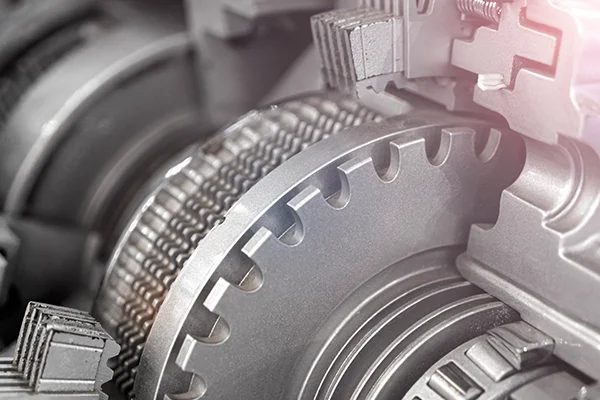
A technician may need to evaluate fluid condition, scan transmission data, perform road testing, and carry out additional diagnostic procedures. If internal damage is confirmed, the repair may involve component replacement, rebuilding, or transmission replacement, depending on the design and extent of the damage.
Engine or Mounting Problems
Transmission symptoms do not always originate inside the gearbox.
Engine performance problems can affect how an automatic transmission responds to acceleration. Worn engine or transmission mounts can also allow excessive movement when the vehicle changes gears or when power is applied.
You may feel a clunk when shifting from Park to Drive, a jolt during acceleration, or unusual vibration when the engine is under load.
A technician can inspect the mounts and evaluate engine operation before recommending transmission repairs. This helps prevent unnecessary work on a transmission that may be functioning correctly.
Cold Weather and Normal Operating Behavior
Some transmissions shift differently when cold because the fluid and internal components have not reached their normal operating temperatures.
A brief change in shift timing may be expected for certain vehicles. However, severe jolting, repeated engagement delays, or a symptom that continues after the vehicle warms up should be investigated.
Never assume that harsh shifting is normal solely because it happens during cold weather. Compare the behavior with your owner’s manual and seek advice if the change is new or pronounced.
Can You Keep Driving With a Hard-Shifting Transmission?
That depends on the severity and cause of the problem.
A mild, occasional shift change may allow you to arrange a prompt inspection. Severe jolting, slipping, loss of drive, burning smells, fluid leaks, or transmission overheating warnings require more urgent attention.
Continuing to drive with a serious transmission fault can increase internal damage and repair costs. If the vehicle loses the ability to accelerate predictably or engage gears safely, pull over and arrange towing.
Avoid repeatedly accelerating hard to test the transmission. This can place additional stress on a system that may already be struggling.
How Is Hard Shifting Diagnosed?
A professional diagnosis typically begins with reviewing when the symptom occurs, checking for warning lights, scanning relevant control modules, and inspecting the transmission and related systems.
Depending on the findings, a technician may check fluid condition and level, examine wiring and mounts, review sensor data, and perform a controlled road test.
The goal is to identify the cause before recommending repairs. A fluid service may help when maintenance is due, but it cannot reverse worn clutches, damaged gears, or failed electronic components.
Transmission Inspection & Repair Services at Lake City Auto Care
Hard shifting is a symptom worth investigating, particularly when it develops suddenly or becomes more frequent. Early diagnosis can help identify fluid leaks, electrical faults, and mechanical wear before the problem becomes more expensive.
If your vehicle shifts roughly, hesitates between gears, or clunks when changing direction, schedule an inspection with the trusted team at Lake City Auto Care in Coeur d’Alene, Rathdrum, and Hayden, Idaho! Give us a call or schedule online today to secure your appointment with North Idaho’s premier vehicle care and repair facility.
North Idaho's Best Warranty
We stand behind our work 100%. That's why we offer a five-year, 50,000-mile warranty on all services and repairs. You can rest assured that when you bring your vehicle to us, we've got you covered no matter what happens down the road.
Appointments (208)-856-8336